Pastors are invited to join us for an exciting exploration into how we can redefine our ministries for this new era.
The Application Deadline has been extended.


This is a difficult time for many congregations. Following the problems of the
pandemic, we have for the most part resumed our regular worship and activity
patterns. There may be some differences, such as the continued use of masks or
the way we take communion, but in most places life in the church has tried to
get back to normal. Kind of.
Unfortunately, normal doesn’t always look like it did
before. In some places, members are missing, giving has suffered, and
attendance at worship and other activities is slow to respond. This has been
especially painful in smaller congregations, where connections are deep and
relationships matter. Online worship was essential to our continued ministry,
but for some it is still easier to watch at home instead of getting the family
ready and going to church. Financially we made it through those difficult
months by encouraging online giving, but now we find that the connection
between worship and stewardship is tenuous at best. In many communities it was
difficult to continue face-to-face mission projects because of Covid and pleas
for donations took the place of volunteers doing important work in difficult
places. Now when we ask for help it can be hard to inspire the kind of
dedication that those ministries once had.
The challenge facing many of our congregations is not a
matter of faith and belief. Christ still matters in our small and rural
churches. The bigger problem is the tension between activity and convenience.
Our old models still work for some, but technology has proven that sitting in a
sanctuary is not the only way to worship God and that serving on committees and
being a part of the congregational “work force” may not be as inviting or as
inspiring as we once thought.
The answer is not to give up and stop serving God, so the
question we face is this – how can we be the church in this place, even if our
numbers are down or our resources are fewer?
Many small and rural churches are suffering from an identity
crisis. As pastors we feed that mindset
in the ways we refer to our own ministry settings. In talking to others about the work that we
do, one of the first questions we frequently ask is, “How many members do you
have?” as if that is the most important of all identifying factors. Too often members of these smaller churches
undervalue the work and ministry they do, simply because they are trapped in a
system that puts more of a premium on the number of people in the seats and
less of a value on the quality of their faith or the things they do in the name
of the Gospel. But what if we ignored the
numbers and focused primarily on mission? What if we looked at the work that we
do in our context through the lens of service to Jesus Christ, rather than
quantifiable categories?
Smaller membership congregations have the opportunity to
renew their own sense of spiritual well-being by intentionally thinking about
the purpose of their faith community. It
goes without saying that worshiping and glorifying the Lord is our primary
purpose, but what happens if attendance numbers are low or musical gifts are absent
or the quality of worship is uninspiring for reasons that are unrelated to the
gospel itself? These factors can
accelerate the sense that a church is in decline. Worship is essential, but if worship is the
only way the congregation expresses its life together or its presence in a
community, then a decline in worship may be an indicator that the life of that
congregation is less important than before.
In this post-pandemic world, churches can learn to express
their vitality by discovering additional ways to express their mission to Jesus
Christ. While worship is generally an
internal expression of a congregation’s calling, other means of outreach can
feed the flames of their faith and assert the importance of the church in that
community. Let's be very clear - making
disciples and providing pastoral care are essential functions of every faith
community, regardless of size. And mere activity should never be mistaken for
the real business of the church. But activity is the language that the church
speaks in its effort to be visible to the larger community. Through visible
activities the church is able to make inroads into larger circles, often
filled with those who have a marginal, or even no faith commitment. This is an
opportunity for mission and evangelism local-style, even if we never use those
words. A low-membership church, even one
that has been in danger of closing, can experience a renewed sense of life and
purpose, when its members rededicate themselves to a particular work that
distinguishes them within that context.
Every small and rural church should ask this question - If we did not exist in this community, what
would be missed?
If the answer is nothing, then the writing is on the wall.
That church is a good candidate for decline and eventual closing, since it
contributes little to the cause of Christ or the community itself. But if the answer reveals an aspect of
ministry or service, then the conversation has a place to begin. Vitality in any church, particularly a small
congregation, is directly related to identity.
And identity is related to the ways our efforts to represent Jesus are
perceived and received by ourselves and by those in the world around us.
Many churches still live in the shadow of their golden
years. They look back on a time when the pews were full and the Sunday School
rooms crowded and think that the same type of ministry is possible today. But
with very different resources, the 30 member church cannot live the same life
as the 200 or 300 member church that they used to be. The question is not "How can we do what
we used to do," but rather, "What can we do well in this place to
bring glory to God?"
What does this look like in real life? A sense of service in the name of Christ is
unique to every faith community. In one
place I served it was our commitment to meals on wheels and the impact that had
on the shut-ins around us. In another,
it was realized by renewing our commitment to the young people of the
community, regardless of faith or denomination, and providing a place for them
to gather a couple of nights a week. In other towns it might mean providing
weekly volunteers at the local nursing home or helping with a Thanksgiving meal
for people in need. Some congregations have an annual meal or event that
everyone looks forward to, like a chicken supper or a roast beef dinner. On the outside they may seem like simple
fundraisers, but in reality the ways that church members are drawn together to
make the event a success and the perception in the community that this
Christian church is doing something for others in the name of Jesus, makes the
event a success in ways that reach far beyond the number of people served or
the amount of money raised. Even a few loyal volunteers can have a big impact.
Those churches that have no distinguishing activities or
types of outreach can gain a sense of vitality by asking a couple of different
questions – what does our community need, how can our church fulfill that need,
and how could such an outreach serve the cause of Christ?
Being a small church is not the same thing as being a dying
church. Because numbers only tell a part
of the story. The real key to finding
vitality in small packages is in identifying our unique calling and in realizing
how that serves Jesus in this very special place. We are beginning to learn that
the call of our churches beyond the pandemic is not to return to normal, but to
discover what new forms normal can take as we live out our faith in the name of
God.
Feeding Body and Soul

Visiting the Ministry of Farmchurch
Last Sunday I looked at our new class of Confirmands sitting
in the front row and thought about how wonderful it was that God had planted
this amazing crop of young members in our midst. I preached on Mark 4:1-9 and
encouraged them to plant their seeds of faith in the right kind of soil. We
talked about the dangers of weeds and distractions and apathy and of course,
ended with a word of hope and encouragement that we receive from Jesus, right here
in this story, that the best soil of all is found here in the opportunities
that God has given us. Faith and service, worship and witness, caring and love,
they are all a part of the crops that we are allowed and enabled to grow.
And that’s when it hit me. We are not supposed to think
about such things while we are preaching, but I do, all the time. It struck me
that the themes that we touch on so often in our rural settings, planting,
growing, cultivating and harvesting, are not just activities that the farmers
in our midst engage in as a lifestyle and a vocation. And they are not simply a
metaphor for the work we do as Christians out in the world. Sometimes they
actually go together. We all have the opportunity to nurture crops of faith,
while at the same time getting our hands deep in the soil and helping to
provide for those who are in need around us. Worship and service are two parts
of the same cycle, each encouraging and reinforcing our need for the other.
One of the best examples of this dynamic is found in the
work and ministry of Farmchurch, a ministry that started as a vision of Rev.
Ben Johnston-Krase, literally springing out of a dream, and ending up in the
rich soil around Durham, North Carolina. It is both church and garden, focusing
on the actual need to grow crops from the ground that will eventually feed the men
and women and children in need in the surrounding area. We all try to feed the
spiritual lives of our members and many of our churches hold food drives of
different kinds to supply the pantries in our areas. But this amazing church takes
that work one step further by finding meaning and metaphor in the process of
planting and harvesting, of succeeding and failing, of worshiping with their
hearts as well as their hands. They witness God at work in a very special way. It
is a great story.
Check out the work of Farmchurch at https://www.farmchurch.org/
Like many unique ministries, you may not be able to
replicate their work in your context. But I would be surprised if you don’t
find an idea or two that you will be excited to introduce to your church as a
way of bringing new vitality to your work in this place God has planted
you.

I can still remember the day I told my family that I was going to be a pastor. My mom and dad are faithful people and raised me and my brothers in the church. We learned the importance of faith and service and hope by following their example. So when I got up the courage to finally tell them that seminary was in my future I expected to receive support and encouragement and maybe just a little bit of pride. Instead, my mom cried. Not tears of joy, but tears of sorrow. All she could say was, “You will never be home for Christmas.” Guess what? She was right.
When it comes to Christmas, pastors and their families often get the short end of the stick. While others plan their holiday vacations around those days off, sometimes traveling to be with family far away, those who serve churches move steadily toward one of the busiest days of the year. Not only do we have to work on Christmas, but our work is often magnified, with more services and obligations than usual.
No news here, but this is one of our busiest seasons. Not only is our worship jam packed with meaningful traditions and rituals that help us to express our faith during the Advent and Christmas seasons, but our church and social calendars are full of extra events, each important in their own way, but each taking extra time out of our already busy schedule. Last year Covid caused many of us to change our schedules and alter our routines. But even with the virus still a part of our lives, church life is slowly but surely returning to some form of normal.
As pastors we work hard to ensure that the events of the holiday season are meaningful for our members and that our churches reflect the central nature of Christ’s birth to our faith. We want our members to have a good experience and most of us work extra hard making that happen. But after the Sunday School Christmas pageant, the choir cantata, and the candlelight Christmas Eve services, there is one thing all pastors seem to share – we are very tired. And in the midst of all that it is very easy to forget to celebrate in our own hearts and spiritual lives. Too often Christmas seems to come and go with everyone else having a good time and we just want a few minutes to take a nap.
But Christmas is not just for our members. Pastors need to celebrate, too. Not just in the leadership that we provide or the quality services that we design, but in our hearts. For as we say year after year in our holiday sermons, the whole point of this season is found not in the presents or songs or even in the event of our Christmas worship itself. The real impact of Christmas is found in how our lives are changed by God’s intentional presence with us. That is easy to overlook in the midst of the busyness of this season. But it is what makes the difference between just celebrating another Christmas holiday and actually living out our love for Christ in our day to day lives.
It is hard to imagine that such a small child could have caused such a commotion. But our traditional Christmas readings from Matthew and Luke assure us that the few people who were there recognized that it was indeed a very special event. Some came from a great distance, just to see and praise the child. The story of the wise men is hard to forget. They followed a star until it led them right to the place where the child was. And it is important to remember that in the same way, we all follow a star today.
Our star is the gospel message; the Word of God as we read it from the Bible, proclaim it from the pulpit, share it with each other, and show it in our care for one another. That star is one of the few guarantees in life. For we are assured that if you believe it with your heart, follow it with your faith, and live it with your life, it will lead you straight to our Lord, Jesus Christ.
This is an incredibly busy time for rural pastors. The services are numerous, attendance is usually up, and activities abound. We are often challenged and perhaps even a bit stressed by the many obligations that crowd our calendars and by our perceptions that each activity is essential to providing a meaningful experience to each of our members. In the process of “doing” Advent and Christmas it is actually possible to miss out on our own celebration of the season. I have to admit that there have been times when I have come up for air after the Christmas Eve services and realized that everyone else has been celebrating but me. And while it is understandable how we might fall into that trap, it is completely unnecessary. Because the most basic lesson that we learned in seminary applies to this time as well – it is not about us.
Pastors and church leaders are more than just paid employees in the Christmas service machine. Like everyone else in the church, this time is for us as well. When God came to be with us, he came to be with all of us. Not just those in the pew, but everyone who calls Jesus Lord. Therefore, it is up to each one of us, pastors especially, to make an effort to remember that this season is not about what we do, but what we receive. And the greatest gift of all was given in the name of the child we celebrate this week. I hope you will take the time to experience the Christ, not just tell others about him, as you celebrate the nativity with your family, your church community, and your own faith.
That star didn’t disappear when the wise men went home. It is still there, waiting to point you to Christ, ready to lead you on your journey of faith. Even those of us who have committed our lives to God and who serve as leaders in the church need to be reminded of this every now and then. We need to remember to celebrate with our lives and our families and our faith, as well as our work and service to the church. And that, put very simply, is what Christmas is all about!
Take time to celebrate this week. Christmas is for pastors,
too!
THIS EVENT IS CO-SPONSORED WITH THE UNIVERSITY OF DUBUQUE THEOLOGICAL SEMINARY
for more information - https://www.wartburgseminary.edu/rural-conference/
We live in a deeply divided society with divisions along political, social, cultural, urban/rural lines. This conference will be helpful for pastors who see these divisions in their communities and congregations and are looking for ways to minister to all people.
Our keynote Speaker Tex Sample will explore this division by looking at a key demographic, cultural traditionalists. Cultural traditionalists are the largest demographic in rural America and one of the largest in the country. This demographic is not limited by age, gender, or denomination –who knows- you may be a cultural traditionalist.
The presentations of Tex Sample will provide a description of this important group and offer suggestions for working with cultural traditionalists. These presentations are valuable not only for small town and rural congregations but will provide a greater understanding of this demographic found in many, if not most, congregations.
The Rev. Dr. Tex Sample brings years of ministry experience, teaching and research to this topic. His most recent books include A Christian Justice for the Common Good, and Working Class Rage: A Field Guide to White Anger and Pain. Tex Sample has participated throughout his career in both the church and the community, with a focus on social, racial, gender, and economic justice issues, community organizing, and interfaith movements. He has been one of the best received presenters at the Rural Ministry Conference. See his tab for more information.
The 40th Rural Ministry Conference will be held via Zoom on Monday, March 8, 2021.
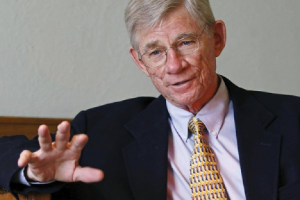 Keynote Speaker: The Rev. Dr. Tex Sample became pastor of Trinity United Methodist Church in Kansas City, Missouri in July 2018. He previously served this congregation on an interim basis in 2014. Sample is the Robert B. And Kathleen Rogers Professor Emeritus of Church and Society at The Saint Paul School of Theology where he taught for 32 years. He holds a B.A. degree from Millsaps College, an M.Div. from the Boston University School of Theology, a Ph.D. from the Boston University Graduate School. and a D.D. from Coe College. Sample is a freelance lecturer and speaker in North America and overseas. He has published 14 books. His book, Blue Collar Ministry: Facing Economic and Social Realities of Working People, was named a “Judson Classic” by the Judson Press, and his book U.S. Lifestyles and Mainline Churches was the bestseller for Westminster/John Knox Press for over two years. His most recent books A Christian Justice for the Common Good and Working Class Rage: A Field Guide to White Anger and Pain, are both available from Abingdon Press. Sample has participated throughout his career in both the church and the community, with a focus on social, racial, and economic justice issues, community organizing, and interfaith movements. In 2016, he received the Invictus Award for Social Justice from the Liberty, Missouri, Martin Luther King, Jr. Committee at its celebration of MLK Day; later that year, he was given The Equality and Justice Award by The Greater Metropolitan the world meeting of his denomination.
Sample was born and grew up in Brookhaven, Mississippi, and as a young man drove a cab, worked in construction, and was a roustabout in the oilfield. Sample is married to Peggy Jo Sanford Sample, who is a water- media artist and a musician. They have three children, one of whom is deceased. “Tex” is his real name, not a nickname. His father named him after Texanna Gillham, an African American woman who lived near Shelbyville, Texas.
We have all been dealing with the Covid-19 pandemic in our own ways. As the months have passed it has been amazing how we and our congregations have discovered new ways of being the church. The work never stops, it just transforms. And God is always there.
In the past, online resources were seen as luxuries used by larger churches with more resources. Today we all rely on digital tools to do our work. Facebook, YouTube, Twitter, Zoom and Livestream are no longer a mystery, but words that populate our daily vocabulary and help us do our ecclesial work. Small and rural churches, more than ever before, have been reminded that distance is not an obstacle, but a fact of life that we have worked around. Even when we cannot safely visit in the homes of our members, we have found a way to bring the church into their homes on a regular basis, in worship, Bible study, Sunday School, Virtual Coffee Hours, and dozens of new creations that enable us to do our work and encourage the recognition of God's presence in our everyday lives.
Someday (soon hopefully) the virus will be but a memory. But the steps we have taken to build the church and the new tools that we find at our disposal will continue to be a part of our work and worship.
Last month I wrote a satirical poem about our life with the virus as a way of helping our church to celebrate the victories we have had during this difficult time. It was meant to be fun and a little bit silly, but when the service was done it felt that we had done exactly what God wanted us to do that day.
With apologies to Longfellow and Dr. Seuss and anyone else who takes poetry seriously, I thought I would share it with you today.
‘Twas the Month Before Covid
by Skip Shaffer
‘Twas the month before Covid came
and all through the town,
Nothing new was really happening,
not a thing going down.
We were all quiet as we lived on
our own,
After Christmas and New Years no
virus had shown.
It’s amazing how much you take
for granted in life,
Until you are separated from your
kids and your wife.
Along came the Super Bowl and we
started to hear,
That a virus from China had found
its way here.
By the end of February so many
were sick,
That by the middle of March we
were in it too thick.
We were closed down real tight,
like a people embargo.
Unless you were a protestor or
the mayor of Chicago.
No restaurants, no parties, no
large groups or closed spaces,
No workouts, no gyms, and no
working type places.
Worst of all came the news that
our Worship was closed.
We had never seen such a time,
when our faith was exposed.
Our church was closed down, our
youth groups had no room,
And the only way we could really
meet was by Zoom.
All the things that we loved,
like mission trips and Green Lake,
Were cancelled for the first
time, it was too much to take.
We had to wear masks and stay six
feet away,
And even the session had no place
to play.
Through Easter and confirmation
and into the summer,
This church quarantine had turned
into a bummer.
And then we discovered the most
amazing thing,
That our faith didn’t need a
sanctuary to ring.
We worshipped at home, we watched
on TV,
Even though we were separated,
there was so much to see.
The song leaders sang, and the
instruments played.
The video and sound and tech guys
all stayed.
The pastor, he read from that
same Holy Book,
And he preached over and over
‘til it finally took.
Our communion was different, our
confirmation recorded,
But the Spirit never let our
faith be distorted.
The politicians they rambled,
told stories and lied,
We didn’t believe them, no matter
how hard we tried.
They told us the virus, it soon
would be gone,
But it didn’t seem to really
matter which one of them won.
The virus, it stayed, after the
commercials were finished,
A vaccine is coming, we’re told,
but our faith is diminished.
We still are kept out of our
worshipping spaces,
Looking ahead to the day when we
can see familiar faces.
Yet our God is stronger than the
virus, we don’t lose our hope.
Through racism, elections, and
murder hornets we cope.
The church remains strong, no
matter what problems we face,
Our worship is faithful, in spite
of the place.
That day will soon be here, if we
can hang on,
Have hope. In just a few days,
2020 will be gone.
- Pastor Skip Shaffer
Oswego Presbyterian Church
December 27, 2020

 Bible Study Leader: Rev. Dr. Richard J. Shaffer Jr.
 Workshop Leader: Jennifer Prinz